Slovenski
- English
- Español
- Português
- русский
- Français
- 日本語
- Deutsch
- tiếng Việt
- Italiano
- Nederlands
- ภาษาไทย
- Polski
- 한국어
- Svenska
- magyar
- Malay
- বাংলা ভাষার
- Dansk
- Suomi
- हिन्दी
- Pilipino
- Türkçe
- Gaeilge
- العربية
- Indonesia
- Norsk
- تمل
- český
- ελληνικά
- український
- Javanese
- فارسی
- தமிழ்
- తెలుగు
- नेपाली
- Burmese
- български
- ລາວ
- Latine
- Қазақша
- Euskal
- Azərbaycan
- Slovenský jazyk
- Македонски
- Lietuvos
- Eesti Keel
- Română
- Slovenski
- मराठी
- Srpski језик

Zakaj je elektronska namizna tehtnica idealna izbira za natančno merjenje?
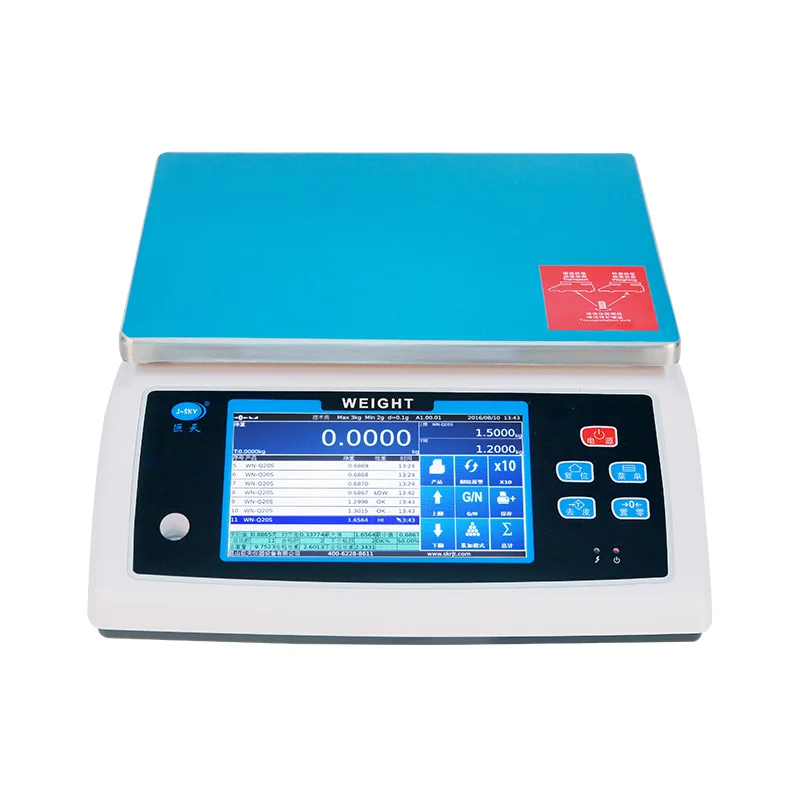
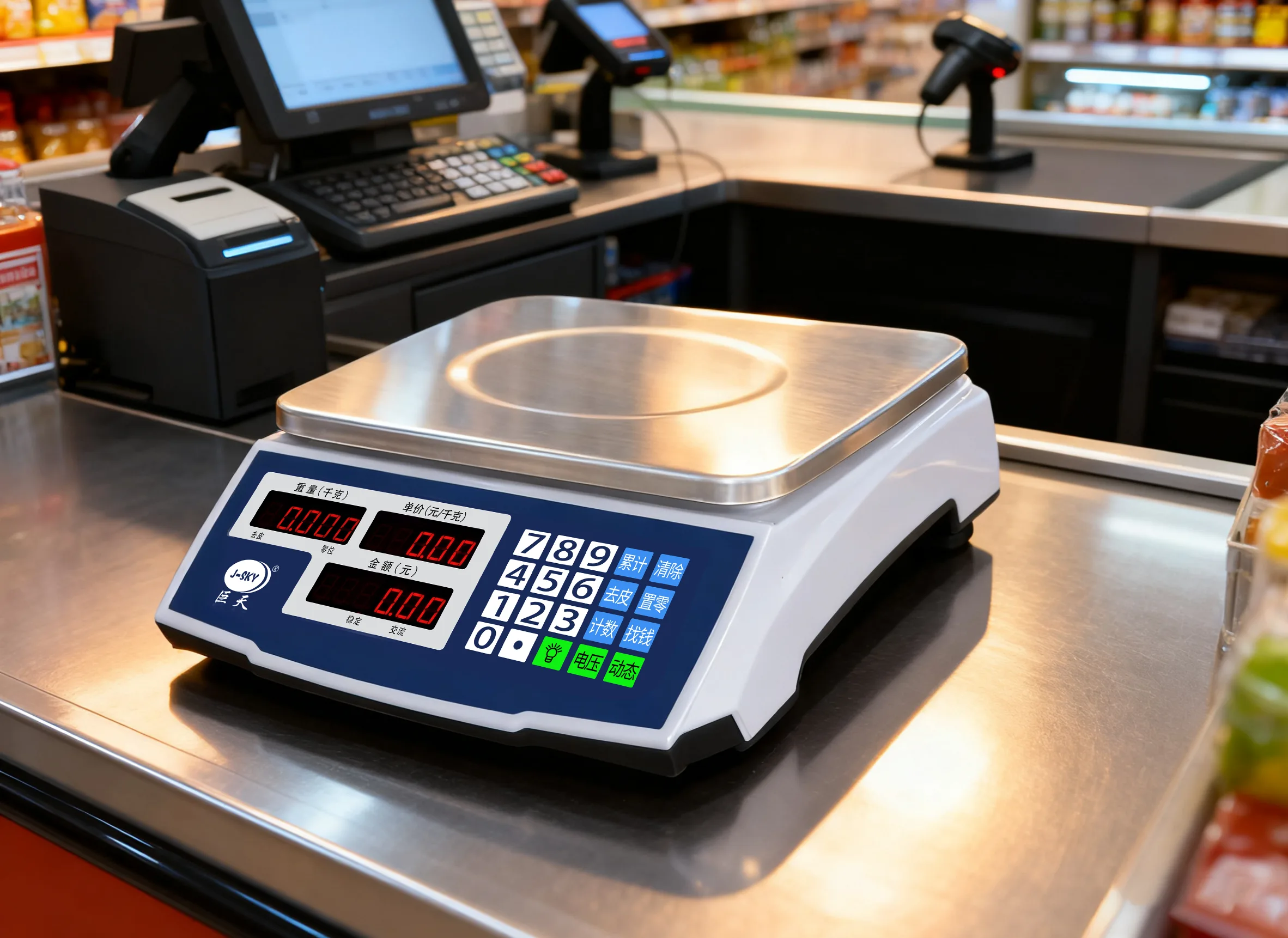
Electronic table scales have become a critical tool in laboratories, industrial facilities, and commercial environments, offering precision, efficiency, and reliability in weight measurement. With rapid advancements in digital technology, these scales now deliver high accuracy, multifunctionality, and robust performance suitable for diverse applications.
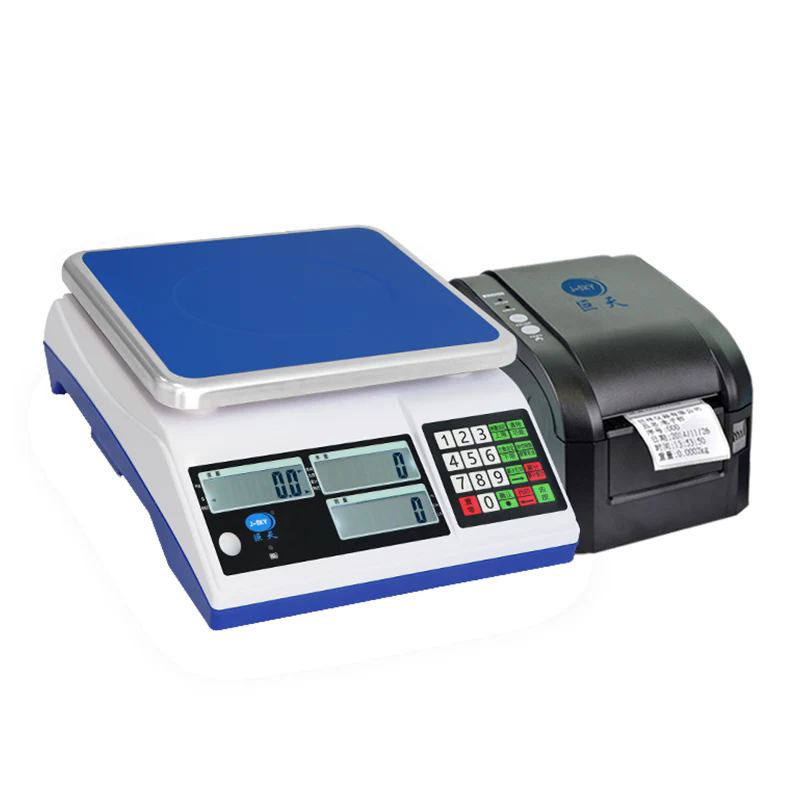
What Are Electronic Table Scales and How Do They Work?
Electronic table scales are devices designed to measure the weight of objects with high precision using electronic sensors, typically strain gauges or load cells. Unlike mechanical scales, which rely on springs and levers, electronic scales convert the applied weight into electrical signals. These signals are processed by the scale’s microprocessor, providing precise digital readouts.
Key features include:
| Parameter | Specification |
|---|---|
| Maximum Capacity | 1kg – 100kg (varies by model) |
| Readability | 0.01g – 1g |
| Accuracy | ±0.01% – ±0.1% |
| Display | LCD/LED, backlit for easy reading |
| Power Supply | AC adapter or rechargeable battery |
| Units of Measurement | g, kg, lb, oz, custom units |
| Tare Function | Yes, automatic and manual |
| Calibration | Internal and external calibration options |
| Material | Stainless steel platform, durable ABS housing |
| Connectivity | USB, RS232, Bluetooth (optional) |
Why they are widely used:
-
Laboratory applications: Accurate measurement for chemical and biological samples.
-
Commercial applications: Precise weight measurement for packaging, food processing, and inventory control.
-
Industrial applications: Handling raw materials and components in manufacturing processes.
These scales combine user-friendly interfaces with robust performance, ensuring reliable results in fast-paced environments.
Why Choose an Electronic Table Scale Over Traditional Scales?
The advantages of electronic table scales extend far beyond simple weight measurement. Businesses and laboratories increasingly rely on digital scales because of their precision, versatility, and ease of integration.
Key advantages include:
-
High Accuracy: Advanced sensors provide precise measurements, reducing errors in critical operations.
-
Multiple Units and Functions: Switching between grams, kilograms, pounds, or ounces allows flexibility in global operations.
-
Tare and Zeroing Features: Simplifies measurement of ingredients, chemicals, or small components without recalculating net weight.
-
Data Connectivity: USB, RS232, and wireless options enable direct transfer of measurement data to computers or inventory management systems.
-
Durability and Safety: Stainless steel platforms resist corrosion, scratches, and chemical exposure, ensuring long-term use.
-
User-Friendly Interface: Clear LCD displays and intuitive controls reduce training time and operational errors.
How electronic scales improve efficiency:
Electronic table scales streamline workflows by providing immediate weight readings, eliminating manual conversions and calculations. This ensures consistency in production, reduces material waste, and improves inventory accuracy.
How to Select the Right Electronic Table Scale for Your Needs?
Choosing the optimal electronic table scale requires evaluating several factors based on application requirements, accuracy, and capacity. Understanding these criteria ensures that the scale provides maximum performance and reliability.
Selection Criteria:
-
Capacity and Readability: Match the scale’s maximum weight with typical measurement needs while ensuring sufficient readability for fine measurements.
-
Platform Size: Ensure the weighing platform accommodates the items being measured without risk of spillage or inaccuracy.
-
Calibration Options: Internal calibration is convenient, but external calibration may be required for laboratory-certified measurements.
-
Environmental Conditions: Choose models resistant to humidity, temperature variations, or dust for industrial or laboratory settings.
-
Connectivity Needs: Consider if integration with computers, printers, or inventory systems is required.
-
Legal Compliance: For commercial transactions, ensure the scale meets local regulatory standards (e.g., NTEP, OIML).
Frequently Asked Questions (FAQ):
Q1: How often should an electronic table scale be calibrated?
A1: Calibration frequency depends on usage intensity and precision requirements. For laboratory use, scales should be calibrated weekly or monthly, while commercial or industrial scales may require quarterly calibration. Regular calibration ensures accuracy, minimizes errors, and extends the lifespan of the device.
Q2: Can electronic table scales handle liquid or unevenly distributed weights?
A2: Yes, most electronic scales can weigh liquids if placed in stable containers. Uneven weights can be measured accurately as long as the platform can accommodate the object’s footprint. Some advanced models have anti-vibration features and liquid-proof surfaces to prevent measurement errors.
What Are the Future Trends in Electronic Table Scale Technology?
The electronic scale industry continues to evolve with advancements in digital technology, connectivity, and smart features. These trends are shaping the future of precision measurement.
Emerging Trends Include:
-
IoT-Enabled Scales: Integration with the Internet of Things allows real-time monitoring, automated data logging, and remote access for quality control and inventory management.
-
Enhanced User Interfaces: Touchscreens, multilingual displays, and adaptive interfaces improve usability in global markets.
-
Artificial Intelligence Integration: Smart algorithms analyze usage patterns, predict maintenance needs, and detect anomalies for quality assurance.
-
Eco-Friendly Designs: Energy-efficient electronics, rechargeable batteries, and sustainable materials are becoming standard to reduce environmental impact.
-
Portable and Compact Solutions: Lightweight, battery-powered scales allow mobile operations in laboratories, markets, and warehouses.
Why brands like Jutian lead the market:
Jutian specializes in high-precision electronic table scales that combine durability, advanced functionality, and user-centric design. Their products meet global standards and are suitable for laboratories, industrial facilities, and commercial operations. By adopting the latest digital technologies, Jutian ensures clients achieve accurate and efficient weight measurement in all applications.
For professional inquiries or to explore the full range of Jutian electronic table scales, contact us today to discuss your requirements and discover tailored solutions for your business.
Povezane novice
- Tehnične značilnosti tehtnic.
- Pregled elektronske namizne tehtnice.
- Glavni razlog za razliko v ceni bobnastih kontrolnih tehtnic.
- Kaj je hitra kontrolna tehtnica: kako deluje in zakaj je pomembna v sodobni proizvodnji
- Kako elektronska namizna tehtnica izboljša natančnost in učinkovitost pri sodobnem tehtanju
- Kako elektronska mostna tehtnica izboljša industrijsko učinkovitost?
Pusti mi sporočilo